


Hey there! As a port crane supplier, I've seen firsthand how various economic factors can have a huge impact on the use of port cranes. In this blog, I'm gonna break down these factors and explain why they matter to anyone involved in the port industry.
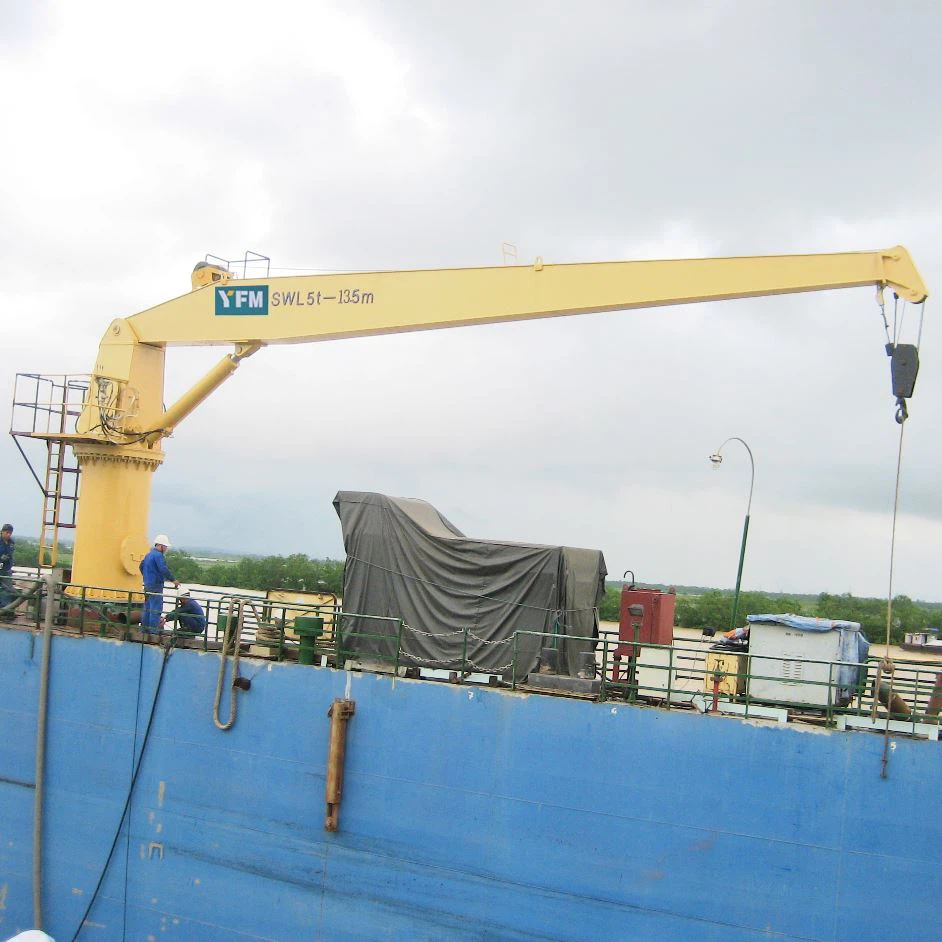

Global Trade Volumes
One of the most significant economic factors affecting the use of port cranes is global trade volumes. When international trade is booming, there's a higher demand for transporting goods across the seas. This means more ships are coming into ports, carrying all sorts of cargo, from consumer goods to raw materials. As a result, port cranes are in high demand to load and unload these vessels efficiently.
For instance, if there's a surge in the export of electronics from Asia to Europe, ports in both regions will experience an increase in container traffic. Port operators will need to use their cranes more intensively to handle the influx of containers. On the flip side, during an economic downturn or a trade war, trade volumes can drop significantly. This leads to fewer ships at the ports and less work for port cranes.
Let's take a look at some real - world data. According to the World Trade Organization (WTO), global merchandise trade volume decreased by 5.3% in 2020 due to the COVID - 19 pandemic. This drop had a direct impact on port activities. Many ports saw a decline in the number of vessels calling and a reduced need for port crane operations. As a port crane supplier, we noticed a slowdown in new orders during that period as port operators were more cautious about their investments.
Freight Rates
Freight rates also play a crucial role in determining the use of port cranes. When freight rates are high, shipping companies are more likely to try and maximize the efficiency of their voyages. They want to load and unload their ships as quickly as possible to get back on the water and start earning more money. This means they'll demand faster and more efficient port crane services.
On the other hand, when freight rates are low, shipping companies may not be in as much of a hurry. They might be more willing to wait for a cheaper port service or a less busy time to dock. This can lead to a decrease in the immediate demand for port cranes.
For example, in recent years, the container freight rates have been extremely volatile. In 2021, there was a sharp increase in container freight rates due to supply - chain disruptions. Shipping companies were eager to get their containers moved quickly, which led to a higher utilization of port cranes. Port operators had to work their cranes around the clock to meet the demand. As a supplier, we received requests for crane upgrades and additional equipment to handle the increased workload.
Port Infrastructure Investment
The level of investment in port infrastructure is another key economic factor. Ports that invest in modernizing and expanding their facilities are more likely to have a higher demand for port cranes. New and improved ports can attract more shipping lines and handle larger vessels.
When a port decides to build a new terminal or upgrade its existing one, it often needs to purchase new port cranes. For example, if a port wants to accommodate the latest generation of ultra - large container ships, it will need cranes with greater lifting capacity and longer outreach.
In some developing countries, governments are investing heavily in port infrastructure to boost their international trade. These investments create opportunities for port crane suppliers like us. We get to work with port authorities to provide the right equipment for their new projects. Take a look at some of the cranes we offer: Dock Crane, Cargo Handling Cranes, and Jetty Crane.
Labor Costs
Labor costs at ports can also influence the use of port cranes. In regions where labor is expensive, port operators may look for ways to automate crane operations. Automated port cranes can reduce the need for a large number of human operators, which can save on labor costs in the long run.
However, the initial investment in automated cranes is quite high. So, port operators need to carefully weigh the upfront cost against the long - term savings. In some cases, they may choose to use a combination of manual and automated cranes to balance cost and efficiency.
For example, in Western Europe and North America, where labor costs are relatively high, many ports are gradually transitioning to more automated crane systems. As a supplier, we've been working on developing and supplying these advanced automated cranes to meet the market demand.
Fuel Prices
Fuel prices can have an indirect but significant impact on the use of port cranes. When fuel prices are high, shipping companies may try to reduce their fuel consumption by optimizing their routes and reducing their speed. This can lead to longer transit times and a more unpredictable schedule for port arrivals.
Port operators then need to be more flexible in their crane operations to accommodate these changes. They may need to adjust their staffing levels and crane availability based on the expected arrival times of ships. Additionally, high fuel prices can also increase the operating costs of port cranes themselves, as they often run on diesel or other fuels.
In the past, when there were sudden spikes in oil prices, we saw port operators looking for more fuel - efficient crane models. We've been working on developing cranes with better energy - saving features to help them reduce their operating costs.
Economic Growth in Hinterland
The economic growth of the hinterland, the area surrounding a port, is also an important factor. A growing hinterland means more demand for imported goods and more production for export. This leads to an increase in the volume of goods flowing through the port.
For example, if a port's hinterland has a booming manufacturing industry, it will need to import raw materials and export finished products. This will require more port crane operations to handle the increased cargo. As a port crane supplier, we keep a close eye on the economic development of the regions where our customers' ports are located. If we see signs of strong economic growth, we know there may be an opportunity for new crane sales or upgrades.
Technological Advancements
Technological advancements in the port crane industry can also affect their use. Newer crane models are often more efficient, reliable, and safer than older ones. They can handle larger loads in less time, which can increase the overall productivity of a port.
Port operators are always looking for ways to improve their operations, and upgrading to the latest crane technology is one way to do it. For example, the development of remote - controlled and automated cranes has revolutionized the port industry. These cranes can be operated from a control room, which improves safety and allows for more precise operation.
As a supplier, we're constantly investing in research and development to bring the latest technologies to our customers. We offer a range of advanced port cranes that can help port operators stay competitive in the market.
Conclusion
In conclusion, there are many economic factors that affect the use of port cranes. Global trade volumes, freight rates, port infrastructure investment, labor costs, fuel prices, economic growth in the hinterland, and technological advancements all play a role. As a port crane supplier, we need to understand these factors to better serve our customers.
If you're a port operator or involved in the port industry and are looking for high - quality port cranes, we'd love to have a chat with you. Whether you need a new crane for a new project or want to upgrade your existing equipment, we have the expertise and the products to meet your needs. Contact us to start a discussion about your port crane requirements.
References
- World Trade Organization (WTO). "Trade Statistics and Outlook." Accessed [Date].
- Industry reports on port operations and economic trends.